
Step into the realm of Anti-aging beauty products where science and beauty converge to offer a fountain of youth in a bottle. Get ready to unravel the secrets behind ageless skin and discover the key to radiant beauty that defies the passage of time.
From potent ingredients to transformative benefits, this journey will equip you with the knowledge to revolutionize your skincare routine and unlock the gateway to eternal youth.
Anti-aging Beauty Products
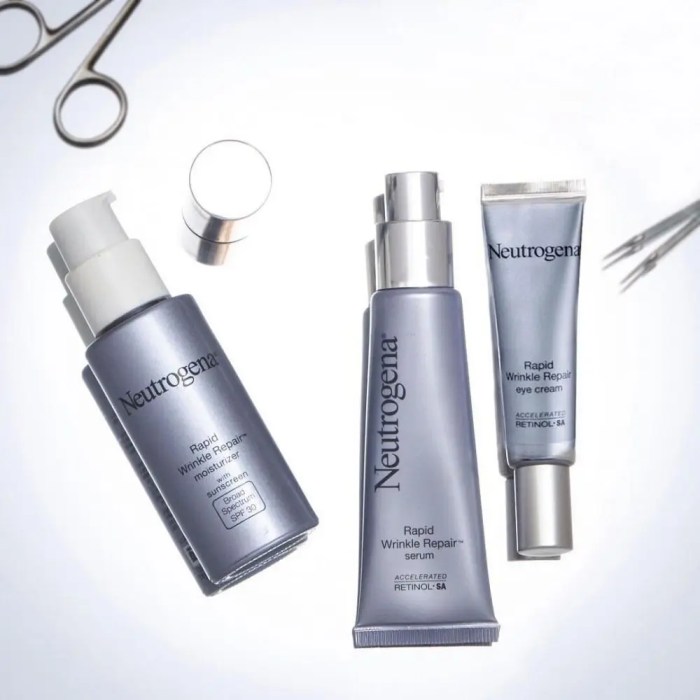
In the quest for youthful skin, anti-aging beauty products have become increasingly popular. These products are formulated with specific ingredients to combat signs of aging and promote skin health.
Common Ingredients in Anti-aging Beauty Products
- Retinol: A potent form of Vitamin A that helps reduce wrinkles and improve skin texture.
- Hydroxy Acids: These exfoliate the skin, promoting cell turnover and reducing fine lines.
- Peptides: Help stimulate collagen production, improving skin firmness and elasticity.
- Vitamin C: An antioxidant that brightens the skin and protects it from environmental damage.
Benefits of Using Anti-aging Beauty Products
- Reduce fine lines and wrinkles.
- Improve skin texture and tone.
- Enhance skin firmness and elasticity.
- Protect the skin from environmental damage.
Types of Anti-aging Beauty Products
- Serums: Lightweight formulas with high concentrations of active ingredients for targeted treatment.
- Creams: Rich moisturizers that hydrate the skin and provide anti-aging benefits.
- Masks: Intensive treatments that deliver a boost of nutrients to the skin for a rejuvenated appearance.
Tips for Incorporating Anti-aging Beauty Products into a Skincare Routine
- Start with a gentle cleanser to prepare the skin for product absorption.
- Apply serums with active ingredients like retinol or peptides before moisturizing.
- Use creams with SPF during the day to protect against sun damage.
- Incorporate masks 1-2 times a week for an extra nourishing treatment.
Health Education Definition
Health education is the process of providing individuals with the knowledge, skills, and resources needed to make informed decisions about their health. It plays a crucial role in promoting well-being by empowering individuals to take control of their health and adopt healthy behaviors.
Importance of Health Education
Health education is essential in promoting overall well-being by equipping individuals with the knowledge and skills needed to make healthy choices. It helps prevent diseases, improve quality of life, and reduce healthcare costs in the long run.
Examples of Health Education Initiatives
- Childhood obesity prevention programs in schools
- Smoking cessation campaigns targeting teenagers and young adults
- Skin cancer awareness campaigns for adults
Role of Health Education in Disease Prevention
Health education plays a crucial role in preventing diseases by raising awareness about risk factors, promoting healthy behaviors, and encouraging regular screenings. It empowers individuals to take proactive steps towards disease prevention and early detection.
Empowering Individuals through Health Education
By providing individuals with accurate and up-to-date information about health-related topics, health education empowers them to make informed decisions about their health. It enables individuals to understand the importance of preventive measures, lifestyle choices, and timely healthcare interventions.
Health Women
Women face specific health concerns at different stages of life, making it crucial to prioritize their well-being through regular health check-ups and screenings. Lifestyle choices and preventive measures play a significant role in maintaining women’s health, along with addressing the impact of mental health on their overall well-being.
Specific Health Concerns for Women
Throughout various stages of life, women may encounter unique health challenges:
- During reproductive years, issues like menstrual irregularities, polycystic ovary syndrome (PCOS), and fertility concerns may arise.
- During pregnancy, complications such as gestational diabetes, preeclampsia, and postpartum depression can impact maternal health.
- As women approach menopause, symptoms like hot flashes, osteoporosis, and heart disease become more prevalent.
Importance of Regular Health Check-ups and Screenings
Regular health check-ups and screenings are essential for early detection and prevention of health issues:
- Annual gynecological exams, mammograms, and Pap smears can help in the early detection of breast and cervical cancers.
- Blood pressure checks, cholesterol screenings, and bone density tests are vital for monitoring cardiovascular health and bone strength.
- Screenings for sexually transmitted infections (STIs) and vaccinations against HPV and other diseases are crucial for maintaining sexual health.
Tips for Maintaining Women’s Health
Women can take proactive steps to maintain their health through lifestyle choices and preventive measures:
- Adopting a balanced diet rich in fruits, vegetables, whole grains, and lean proteins can support overall health and wellness.
- Engaging in regular physical activity, such as cardio exercises, strength training, and yoga, can improve cardiovascular fitness and mental well-being.
- Practicing stress-reducing techniques like meditation, mindfulness, and deep breathing exercises can help manage mental health and reduce anxiety.
Impact of Mental Health on Women’s Overall Well-being
Mental health plays a crucial role in women’s overall well-being and quality of life:
- Conditions like depression, anxiety, and eating disorders can significantly impact women’s emotional and physical health.
- Seeking therapy, counseling, and support groups can provide valuable resources for managing mental health challenges and promoting self-care.
- Creating a strong support system of friends, family, and healthcare professionals can help women navigate mental health issues and improve their overall well-being.
Health and Beauty
When it comes to health and beauty, the old saying “you are what you eat” couldn’t be more true. The connection between inner health and outer beauty is undeniable, with a healthy lifestyle reflecting in your radiant appearance.
Proper nutrition, regular exercise, and mental well-being all play crucial roles in achieving a healthy and glowing complexion. In addition to using anti-aging beauty products, incorporating holistic health practices into your daily routine can further enhance your overall appearance.
Role of Nutrition in Beauty
Good nutrition is the foundation of beauty from within. Eating a balanced diet rich in vitamins, minerals, and antioxidants can help nourish your skin, hair, and nails, giving you a natural glow.
- Include plenty of fruits, vegetables, whole grains, and lean proteins in your diet.
- Stay hydrated by drinking enough water throughout the day.
- Avoid excessive consumption of processed foods, sugar, and unhealthy fats.
Exercise for Beauty
Regular physical activity not only helps you stay fit but also contributes to your skin’s health and overall appearance.
- Engage in a combination of cardio, strength training, and flexibility exercises.
- Sweating during workouts helps cleanse your pores and promote circulation.
- Exercise releases endorphins, which can improve your mood and reduce stress, leading to a more youthful look.
Mental Health and Self-care
Your mental well-being is closely linked to your physical appearance. Taking care of your mental health through stress management and relaxation techniques can have a positive impact on your beauty.
- Practice mindfulness, meditation, or yoga to reduce stress and promote relaxation.
- Get enough sleep to allow your body to repair and regenerate overnight.
- Engage in activities that bring you joy and relaxation, whether it’s reading, painting, or spending time in nature.
Self-love and Beauty
Self-care and self-love are essential components of a healthy and beautiful lifestyle. When you prioritize taking care of yourself, both physically and mentally, you radiate confidence and beauty from within.
- Set aside time for pampering rituals like skincare routines, massages, or baths.
- Acknowledge your strengths and beauty, focusing on what makes you unique and special.
- Avoid negative self-talk and practice positive affirmations to boost your self-esteem.
Beauty and Cosmetics
When it comes to beauty products, understanding the difference between natural and synthetic ingredients is crucial for making informed choices. Natural ingredients are derived from plants, minerals, or animals, while synthetic ingredients are chemically created in a lab.
Potential Risks in Cosmetics
Some harmful chemicals commonly found in cosmetics can pose risks to our health. For example, parabens, phthalates, and formaldehyde-releasing preservatives have been linked to hormonal disruptions, skin irritation, and even cancer.
Choosing Safe Beauty Products
- Look for products labeled “non-comedogenic” if you have oily or acne-prone skin to prevent clogged pores.
- For sensitive skin, opt for fragrance-free and hypoallergenic formulas to reduce the risk of irritation.
- Consider products with antioxidants like vitamin C and E to protect the skin from environmental damage.
Clean Beauty and Eco-Friendly Trends
Clean beauty focuses on products made with non-toxic, natural ingredients, free of harmful chemicals. Eco-friendly cosmetics aim to reduce environmental impact through sustainable packaging and green manufacturing practices.
Child Health
Child health is a crucial aspect of overall well-being, as it sets the foundation for a healthy and thriving future. From common health issues to preventive measures, here are some key points to consider when it comes to safeguarding children’s health.
Common Health Issues in Children
- Respiratory Infections: Ensure proper ventilation, avoid exposure to secondhand smoke, and practice good hand hygiene to reduce the risk of respiratory infections.
- Gastrointestinal Problems: Encourage a balanced diet rich in fruits, vegetables, and whole grains to promote digestive health.
- Childhood Obesity: Limit sugary drinks and high-fat foods, and encourage regular physical activity to prevent obesity.
Preventive Measures for Safeguarding Children’s Health
- Vaccination Schedules: Follow the recommended vaccination schedules to protect children from serious diseases.
- Regular Pediatric Check-ups: Schedule routine visits to the pediatrician for comprehensive health assessments and early detection of any health issues.
- Nutrition and Physical Activity: Provide nutritious meals and encourage regular exercise to support children’s growth and development.
- Healthy Environment: Create a safe and nurturing environment at home and school, promoting emotional well-being and overall health.
Health Dentistry
Oral health plays a crucial role in our overall well-being, not just for maintaining a bright smile but also for preventing various diseases. It is essential to understand the connection between oral health and our general health.
Importance of Oral Hygiene
Good oral hygiene is not just about having a perfect smile; it is about preventing gum disease, tooth decay, and other dental issues that can impact our overall health. Poor oral hygiene can lead to systemic health problems.
- Brush your teeth at least twice a day to remove plaque and prevent cavities.
- Floss daily to clean between teeth and prevent gum disease.
- Visit your dentist regularly for check-ups and professional cleanings to catch any issues early.
- Avoid tobacco and limit sugary foods and drinks to maintain oral health.
Common Dental Issues and Their Impact
Untreated dental problems can lead to various health issues beyond the mouth. For example, gum disease has been linked to heart disease, diabetes, and other systemic conditions.
- Tooth decay: Caused by plaque buildup and can lead to cavities and infections.
- Gum disease: Inflammation of the gums that can progress to affect the bone supporting the teeth.
- Oral cancer: Regular dental check-ups can help in early detection and treatment.
Oral Health and Systemic Diseases
There is a strong connection between oral health and systemic diseases like diabetes and heart disease. Poor oral health can worsen these conditions or make them harder to manage.
- Diabetes: Gum disease can make it harder to control blood sugar levels.
- Heart disease: Inflammation from gum disease can contribute to heart problems.
- Pregnancy complications: Poor oral health has been linked to premature birth and low birth weight.
Closing Notes
As we bid adieu, remember that the quest for timeless beauty begins with understanding and embracing the power of Anti-aging beauty products. Let your skin be a canvas where the brushstrokes of youth paint a masterpiece of everlasting radiance.
Frequently Asked Questions
What are the key ingredients to look for in Anti-aging beauty products?
The key ingredients to look for are retinol, hyaluronic acid, vitamin C, peptides, and antioxidants.
How do I incorporate Anti-aging beauty products into my skincare routine?
You can start by cleansing your face, applying a serum with active ingredients, following up with a moisturizer, and don’t forget to use sunscreen during the day.
Are there any specific Anti-aging beauty products recommended for sensitive skin?
Look for products labeled as gentle, fragrance-free, and hypoallergenic to minimize the risk of irritation on sensitive skin.


