
Embark on a journey through the world of child health and development milestones, where each step and achievement is a testament to growth and progress. Get ready for an engaging exploration filled with insights and valuable information!
Child Health and Development Milestones
Tracking child health and development milestones is crucial as it allows parents, caregivers, and healthcare providers to monitor a child’s progress and identify any potential delays or concerns early on. By recognizing and addressing developmental milestones, children can receive the necessary support and interventions to reach their full potential.
Physical Development Milestones
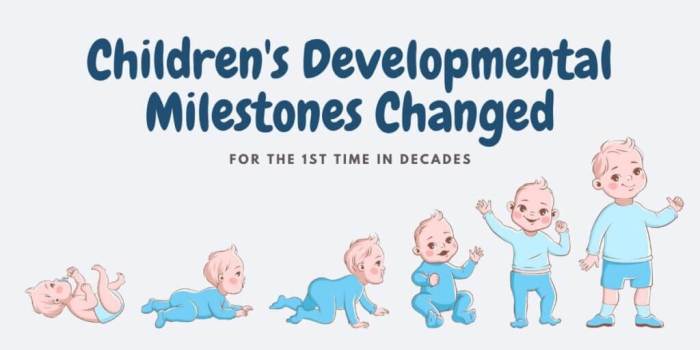
Physical development milestones in children include activities such as rolling over, sitting up, crawling, walking, and running. These milestones are essential for building strength, coordination, and motor skills. For example, by the age of one, a child should be able to sit without support, and by the age of two, they should be able to walk unassisted.
Cognitive Development Milestones
Cognitive development milestones involve a child’s ability to think, learn, and problem-solve. Common milestones in this area include recognizing familiar faces, understanding simple instructions, and engaging in pretend play. For instance, by the age of three, a child should be able to name familiar objects and express their needs using simple sentences.
Emotional and Social Development Milestones
Emotional and social development milestones focus on a child’s ability to regulate emotions, interact with others, and form relationships. Examples of milestones in this category include showing affection towards caregivers, sharing toys with peers, and expressing empathy towards others. By the age of four, a child should be able to understand and follow basic rules, take turns during play, and show empathy towards friends experiencing emotions.
Health Education Definition
Health education is a process that aims to impart knowledge and skills to individuals and communities to promote overall well-being and prevent diseases. It empowers people to make informed decisions about their health, adopt healthy behaviors, and take actions to improve their quality of life.
Role in Promoting Well-being
Health education plays a crucial role in promoting well-being by raising awareness about healthy practices, disease prevention, and the importance of regular check-ups. It empowers individuals to take control of their health and make positive lifestyle choices that contribute to their overall well-being.
- Provide information on nutrition, exercise, mental health, and hygiene practices.
- Encourage regular health screenings and vaccinations to prevent diseases.
- Promote healthy behaviors such as avoiding smoking, excessive alcohol consumption, and drug abuse.
Importance in Preventing Diseases
Effective health education is essential in preventing diseases by equipping individuals with the knowledge and skills to recognize symptoms, seek medical help, and take preventive measures to reduce the risk of illness. By promoting health literacy and encouraging early intervention, health education contributes to reducing the burden of diseases on individuals and communities.
- Raise awareness about common diseases, their causes, and prevention methods.
- Empower individuals to practice good personal hygiene and sanitation to prevent the spread of infections.
- Promote regular exercise, balanced nutrition, and stress management to enhance overall health and immunity.
Strategies for Effective Health Education in Communities
Implementing effective health education programs in communities requires collaborative efforts from healthcare providers, educators, policymakers, and community leaders. By utilizing various strategies and approaches, health education can reach a wider audience and have a lasting impact on promoting health and preventing diseases.
- Utilize multimedia resources such as videos, infographics, and interactive workshops to engage diverse audiences.
- Partner with local organizations, schools, and businesses to promote health education initiatives and reach different populations.
- Offer culturally sensitive and language-appropriate health education materials to ensure accessibility and inclusivity.
Health Women
Women face specific health challenges that require attention and care to ensure overall well-being. From reproductive health to hormonal changes, women’s health needs are unique and essential to address for a healthy lifestyle.
Importance of Women’s Health Screenings and Preventive Care
Regular health screenings and preventive care play a crucial role in maintaining women’s health. These screenings help detect any potential health issues early on, allowing for timely intervention and treatment. Preventive care, such as vaccinations and lifestyle modifications, can also help in reducing the risk of various health conditions.
- Regular Pap smears and mammograms can help in early detection of cervical and breast cancer.
- Blood pressure checks and cholesterol screenings can assess cardiovascular health.
- Bone density tests can help in monitoring bone health and detecting osteoporosis.
Prevention is key in women’s health, as early detection can lead to better outcomes and overall well-being.
Impact of Lifestyle Choices on Women’s Health
Lifestyle choices significantly impact women’s health outcomes, affecting various aspects such as reproductive health, cardiovascular health, and mental well-being. Making healthy choices, such as maintaining a balanced diet, staying physically active, and managing stress, can contribute to overall health and quality of life.
- Regular exercise can help in maintaining a healthy weight and reducing the risk of chronic conditions like diabetes and heart disease.
- A nutritious diet rich in fruits, vegetables, and whole grains can provide essential nutrients for optimal health.
- Managing stress through relaxation techniques and self-care practices can improve mental health and overall well-being.
Health and Beauty
Health and beauty are often seen as separate entities, but in reality, they are closely intertwined. While health focuses on the overall well-being of an individual, beauty is often associated with physical appearance. However, a healthy lifestyle plays a crucial role in enhancing natural beauty.
The Connection Between Health and Beauty
Having good health is the foundation of true beauty. When you take care of your body by eating nutritious foods, exercising regularly, and getting enough sleep, you not only feel better but also look better. A radiant complexion, strong hair, and a fit body are all indicators of good health.
On the other hand, prioritizing beauty over health can lead to negative consequences. Extreme dieting, excessive makeup use, and cosmetic procedures may provide temporary beauty enhancements, but they can also have long-term health risks. For example, crash diets can lead to nutritional deficiencies, and certain cosmetic products may contain harmful chemicals that can damage the skin.
Beauty and Cosmetics
When it comes to beauty, cosmetics play a significant role in enhancing our features and boosting our confidence. From makeup to skincare products, cosmetics offer a range of options to help us look and feel our best.
The Importance of Choosing Safe and Non-Toxic Beauty Products
It is crucial to prioritize safety when selecting beauty products. Opting for non-toxic options can help prevent skin irritations, allergies, and other adverse reactions. Always read the labels, research ingredients, and choose reputable brands known for their commitment to quality and safety.
Tips for Maintaining Healthy Skin While Using Cosmetics
- Avoid sleeping with makeup on to prevent clogged pores and breakouts.
- Regularly clean your makeup brushes and sponges to prevent bacteria buildup.
- Moisturize your skin daily to keep it hydrated and nourished.
- Choose makeup products with SPF to protect your skin from harmful UV rays.
- Give your skin occasional breaks from makeup to allow it to breathe and rejuvenate.
Health Dentistry
Dental health plays a crucial role in overall well-being as it is closely linked to our physical health and quality of life. Maintaining good oral hygiene is not just about having a bright smile, but also about preventing serious health issues.
Common dental problems such as cavities, gum disease, and tooth decay can have a significant impact on our health. For example, untreated cavities can lead to infections and abscesses, while gum disease has been linked to heart disease and diabetes. Poor oral health can also affect our ability to eat, speak, and socialize comfortably.
Importance of Preventive Measures
- Brushing your teeth at least twice a day with fluoride toothpaste can help prevent cavities and gum disease.
- Flossing daily removes food particles and plaque between teeth, reducing the risk of decay and gum inflammation.
- Regular visits to the dentist for check-ups and cleanings can help detect and treat dental issues early on.
- Avoiding sugary foods and drinks, and maintaining a balanced diet rich in fruits and vegetables can promote good oral health.
Last Point
As we wrap up our discussion on child health and development milestones, remember that each milestone reached is a celebration of a child’s unique journey towards a healthy and fulfilling life. Let’s continue to support and nurture these little champions as they grow and thrive!
Questions and Answers
Why is tracking child health and development milestones important?
Tracking milestones helps monitor a child’s growth and development, identifying any potential issues early on.
What are some examples of emotional and social development milestones in childhood?
Examples include forming friendships, expressing emotions, and understanding social norms.
How does cognitive development play a role in a child’s overall growth?
Cognitive development impacts a child’s learning abilities, problem-solving skills, and intellectual growth.


